 +48 52 364 11 60


What You Need to Know About Fireplace Design 2026
Fireplace design in 2026 moves beyond short-term trends. What defines this year is reconsideration—a return to architectural ideas once set aside by strict minimalism, now reintroduced with intention, refined materials, and advanced engineering.
For architects and designers, fireplaces are again becoming spatial tools, not decorative add-ons.
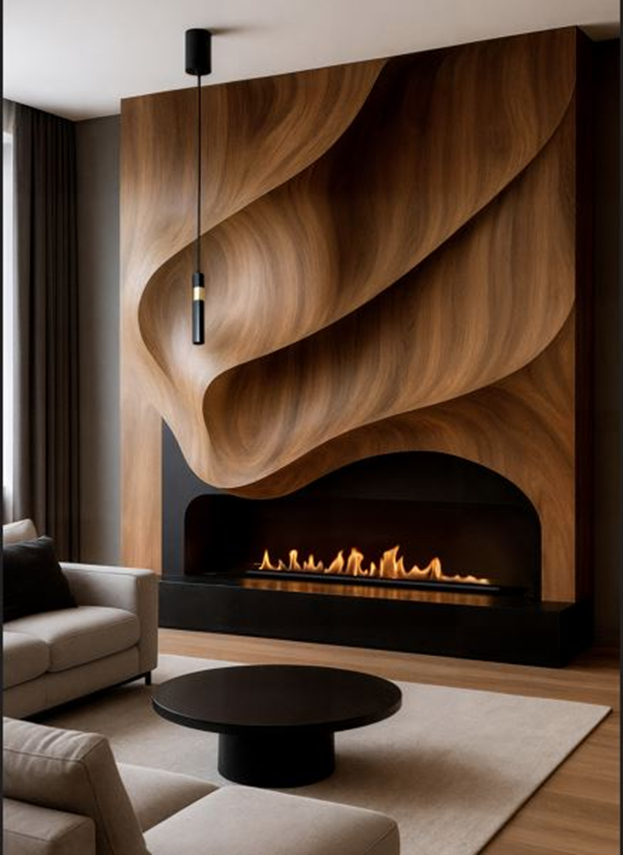
The Return of the Protruding Mantelpiece – Reimagined
Key characteristics:
- Monumental stone cladding instead of ornament
- Experimental finishes: opalescent stone, patinated zinc, iridescent glass
- Layered marble or stone compositions used with restraint
Once considered overly traditional, the protruding mantelpiece is reclaiming its role as an architectural anchor. In 2026 interiors, it provides presence without visual heaviness.
Stone layering itself is not new—intentionality is. Architects increasingly pair expressive mantels with minimal fire lines, allowing material texture and veining to dominate.
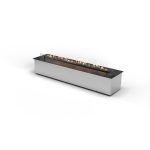
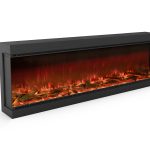
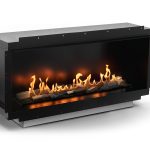
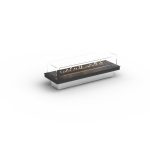
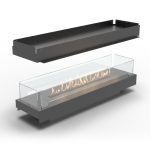
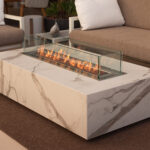
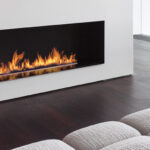
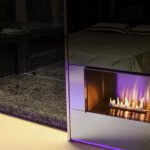
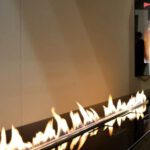
Planika responds to this direction with the FLA4 , offering a panoramic line of fire discreetly protected by sliding glass panels. These screens now serve a dual role: safety and visual framing.
Breaking News in Fire Design: FLOGS
A model many designers have been waiting for is finally here.
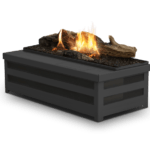
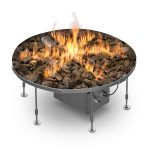
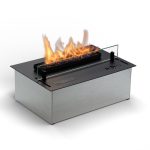
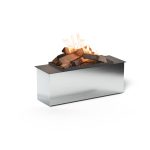
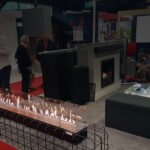
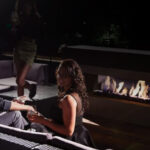
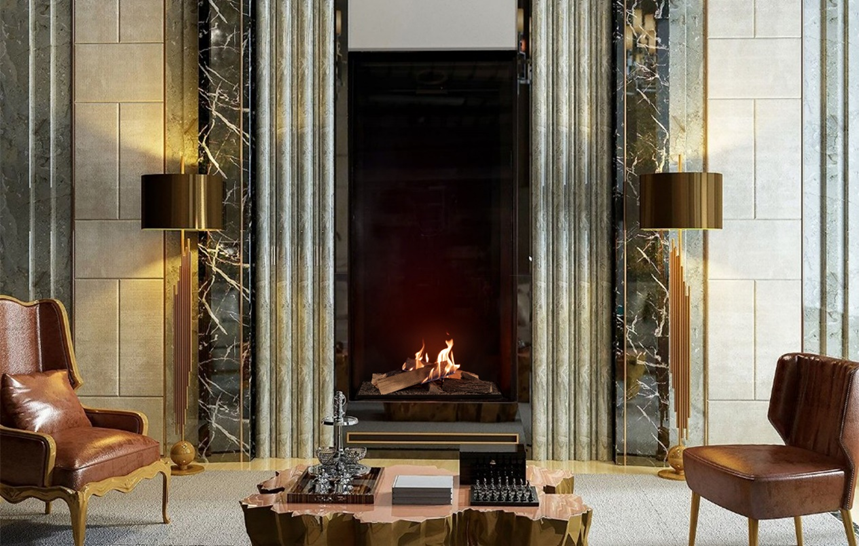
In 2026, Planika introduces FLOGS—a new automatic bioethanol burner that merges modern BEV® technology with a spectacular, classic fire expression.
What makes FLOGS different?
- Taller, irregular flames forming a pyramid-like composition
- Flames that surround and hug the logs, creating depth and movement
- Advanced automatic bioethanol technology ensuring clean combustion, high safety standards, and precise control
FLOGS offers a deliberate counterpoint to minimal fire lines. It answers the growing demand for a more expressive, emotional flame—without reverting to outdated or manual solutions.
Modern fire does not have to look minimal.
It can be architectural, controlled, and deeply atmospheric.
Fireplaces Immersed into the Wall
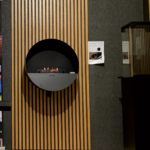
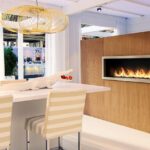
In 2026, fireplaces increasingly resemble objects embedded within architecture—activated by fire rather than visually dominant at rest.
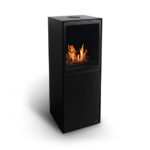
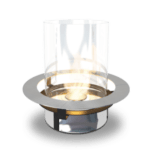
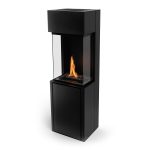
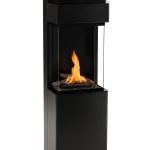
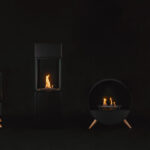
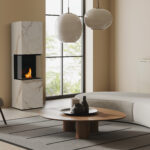
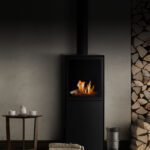
Models such as Vitro and Sono reinterpret the classic stove concept through a contemporary lens. Familiar in form at first glance, they break with tradition entirely—no wood to add, no ash, no daily maintenance. Powered by clean-burning alcohol fuel and managed by Planika’s proprietary BEV® technology, operation is reduced to a single command, unveiling a natural, flickering flame that provides comforting heat for up to 17 hours of continuous burn time. What sets this new generation apart is the sealed, fire-behind-glass construction. With the fuel bed fully enclosed, air circulation is precisely managed through a flue system, ensuring controlled combustion, safety, and consistent performance.
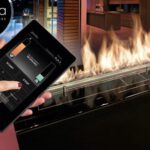
This is a stove that looks traditional—but behaves like nothing before it. Fully automated and remotely controlled, it adapts to individual preferences, redefining what a modern fireplace can be.
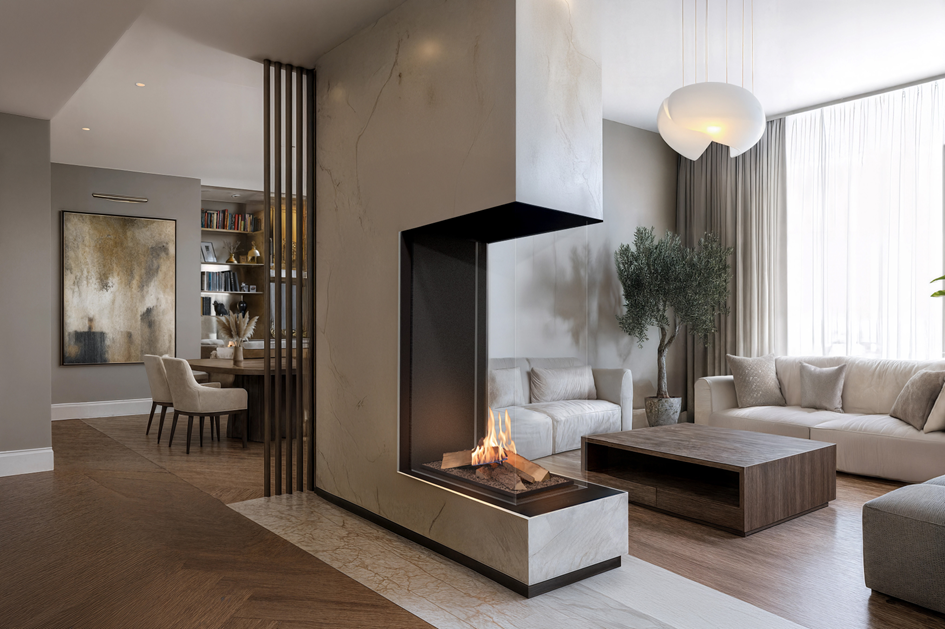
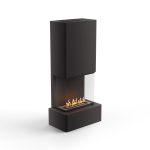
Vitro acts as a luminous partition when positioned on the edge of a wall—lightweight and spatially defining.
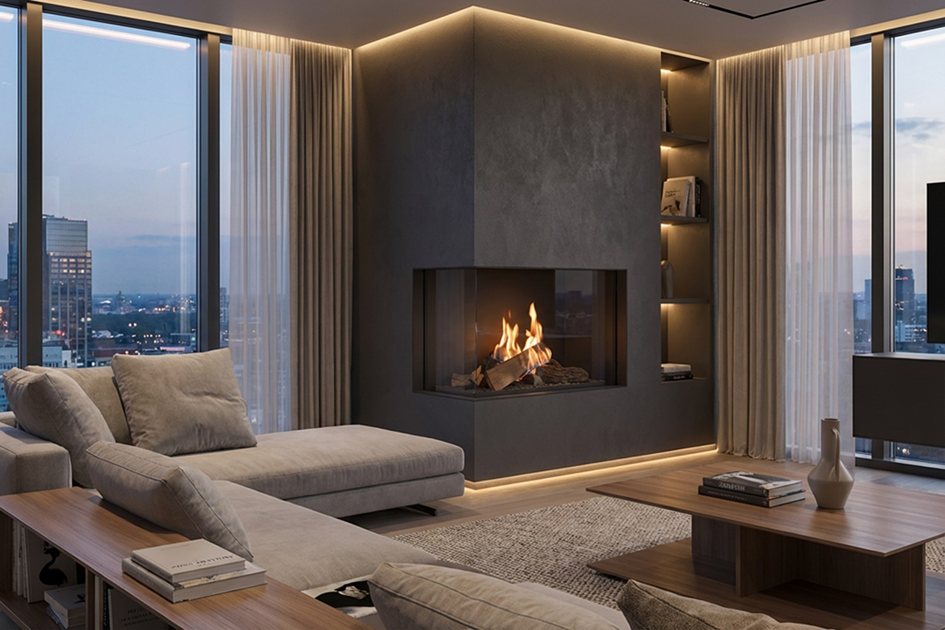
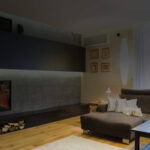
Sono, with its horizontal format, aligns naturally with classic furniture proportions and creates a calm composition.
Both models reference wood-burning aesthetics while maintaining modern performance and safety.
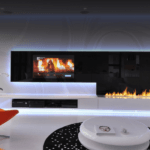
The Fireplace as Part of the TV Wall
The multimedia wall is no longer something to hide—it is designed deliberately.
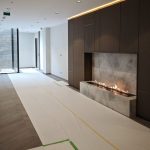
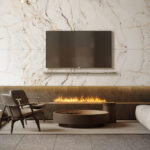
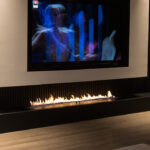
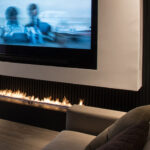
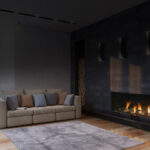
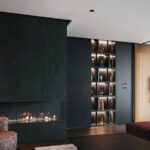
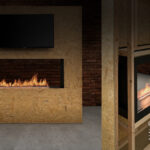
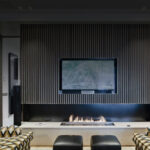
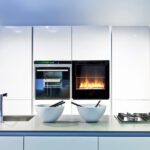
Modern joinery systems reinterpret shelving and cabinetry using natural veneer, stone, and concealed lighting. While large TVs are visually subdued, the fireplace becomes the architectural focal point.
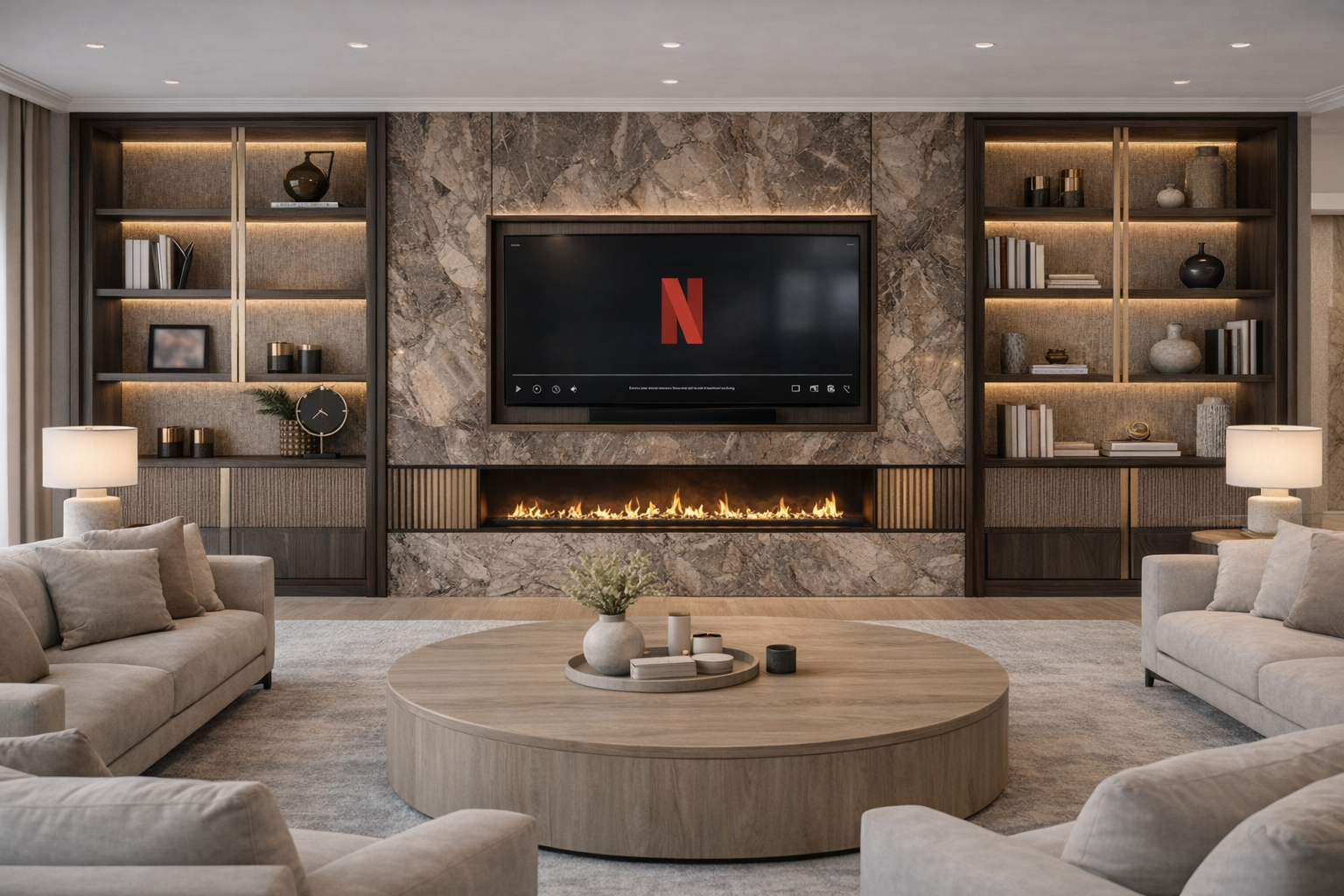
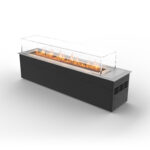
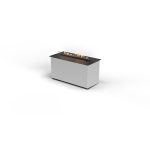
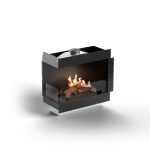
When combustible materials are used near fire, safety is critical. The FORMA casing firebox solves this with:
- Two-layer construction
- Insulating air gap
- Top deflector that keeps the outer casing cool
This allows flammable materials and TV screens to be positioned safely around the fireplace—without compromise.
Fantastical, Motorized Engineering
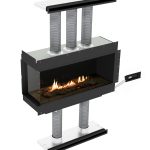
Clients are increasingly drawn to fireplaces with a cinematic presence. Inspired by science-fiction aesthetics, the NEX Media Wall with Fireplace reflects demand for intelligent, automated solutions.
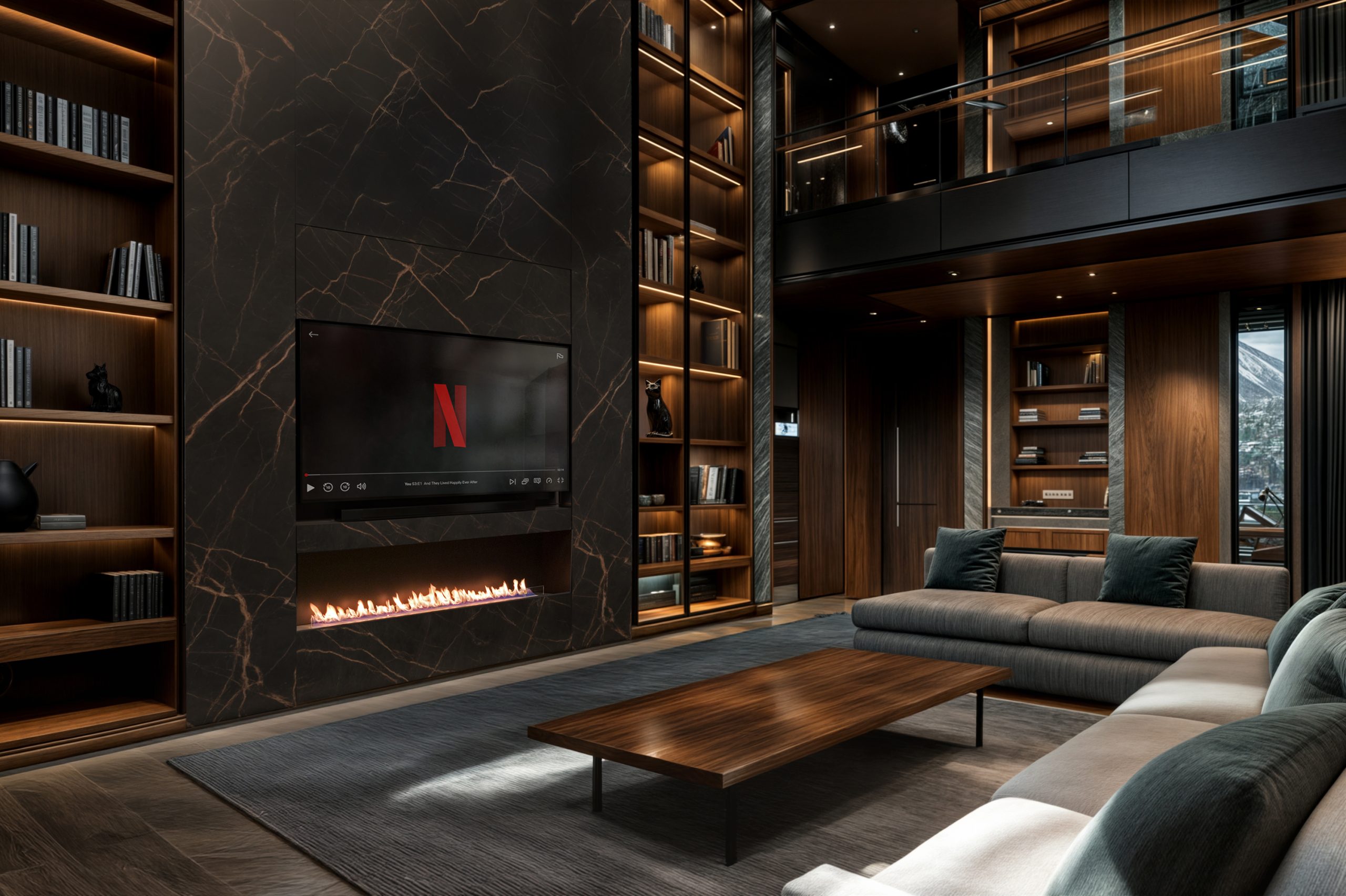
Mechanical refinement appears in intuitive screen-height adjustments tailored to viewing comfort. The system is fully configurable, allowing bespoke cladding, layout, and fire type.
For projects where heat is undesirable, Planika offers Water Vapour technology. Steam and LED lighting create a convincing flame effect without thermal output.
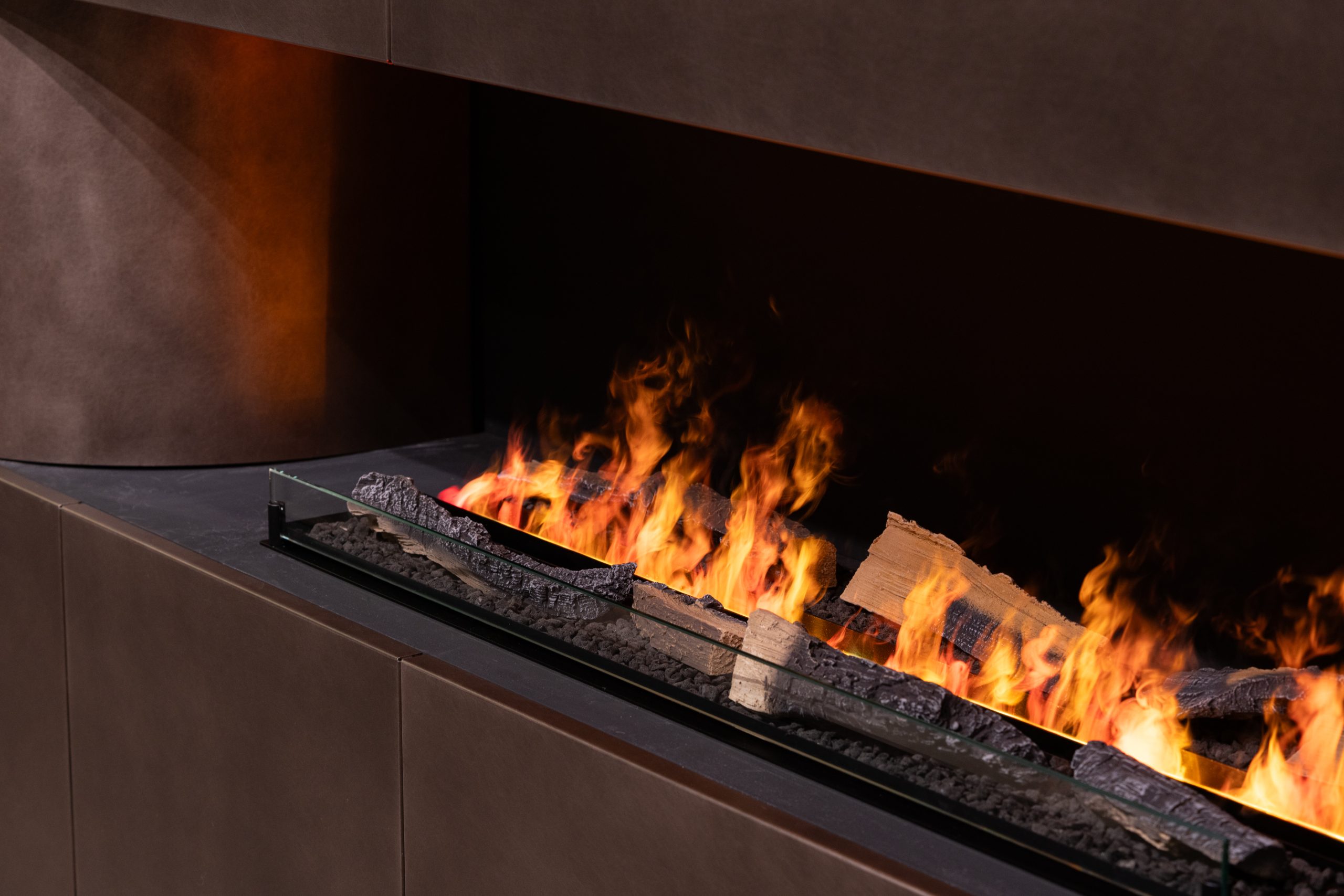
Available cassette lengths: 500–2000 mm, with:
- Flame height adjustment
- Colour tone control
- Optional crackling sound
Curved Fireplaces and Architectural Softness
Curves are no longer limited to furniture or arches—they now shape fireplaces themselves.
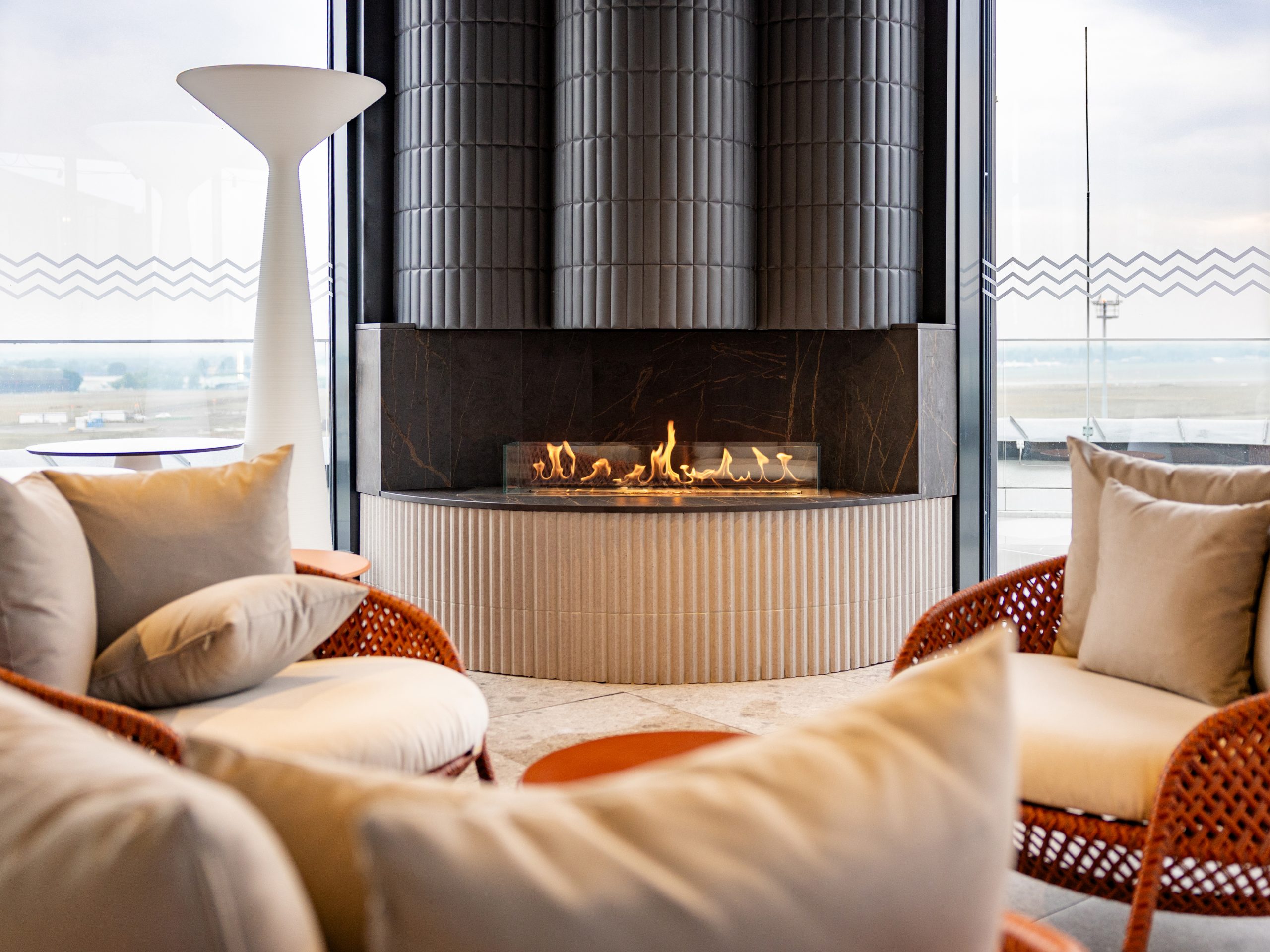
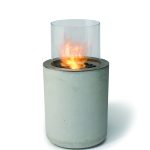
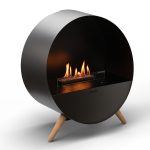
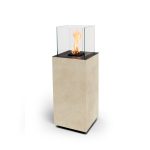
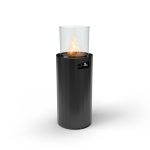
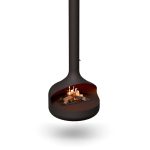
In interiors that risk becoming overly flat, the answer is form, not ornament. Rounded fireplaces such as Pillar introduce softness while referencing Art Nouveau proportions without imitation.
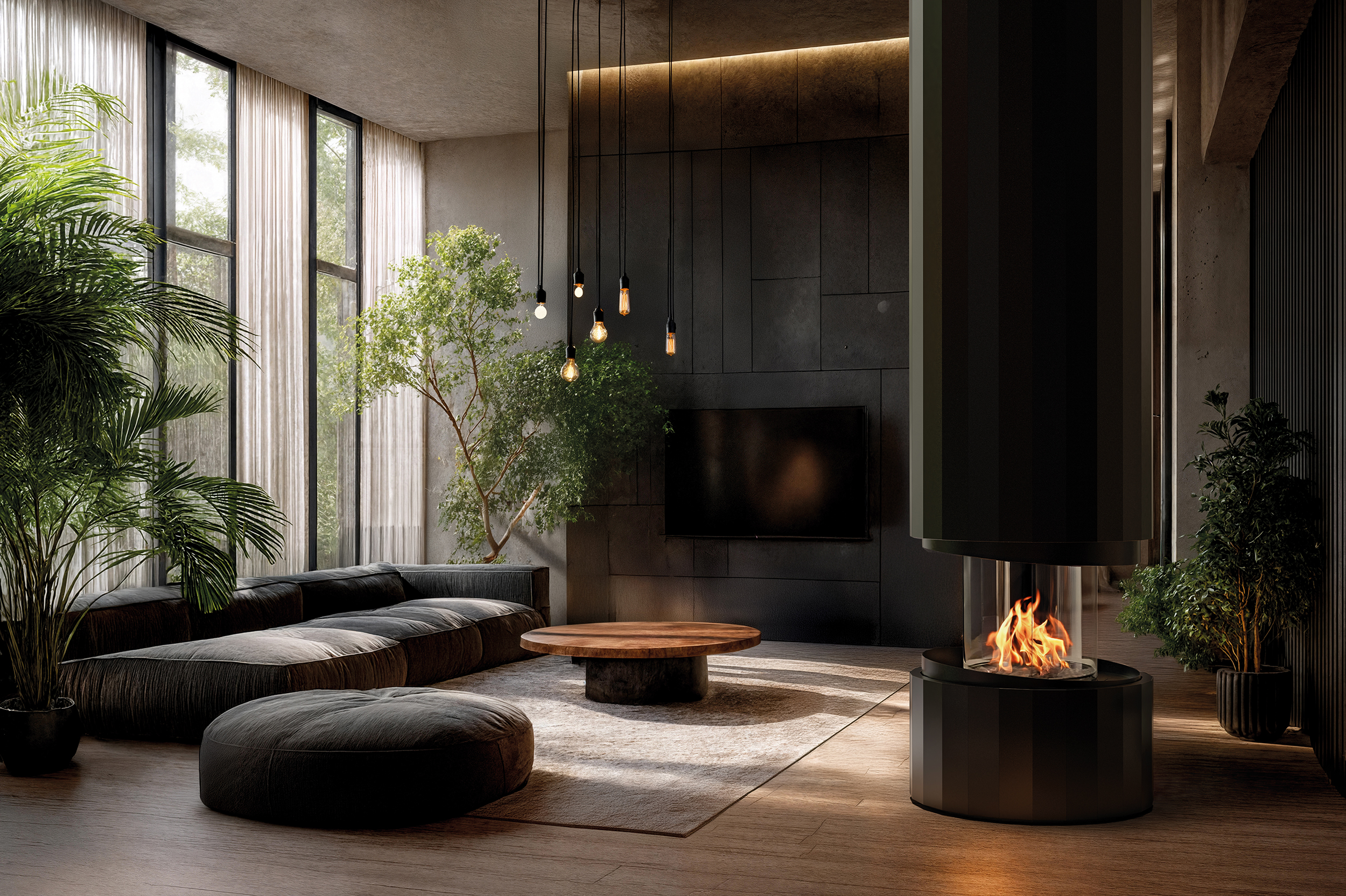
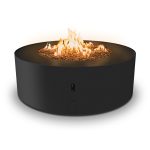
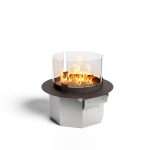
Models like Comet Burner demonstrate how curved fire forms can subtly influence circulation paths and break rectilinear monotony.
Fireplace Partitions and Tunnel Designs
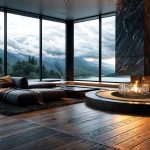
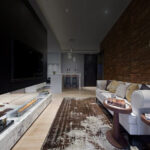
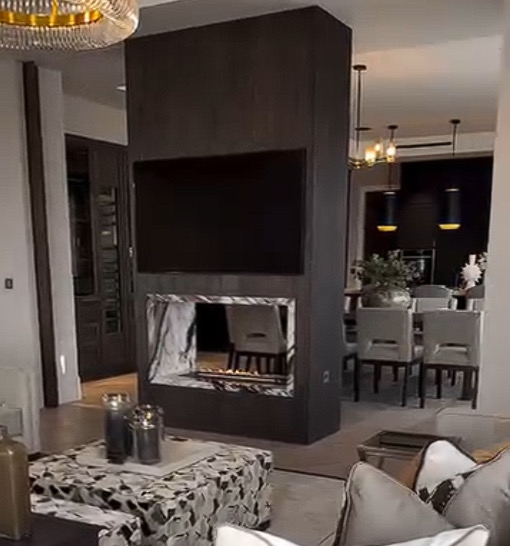
One of the most important shifts for 2026 is spatial. Open-plan living is evolving into more defined, intimate zones.
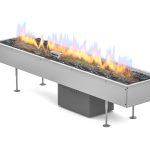
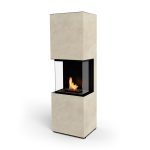
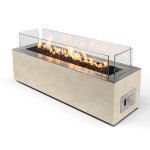
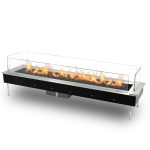
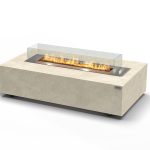
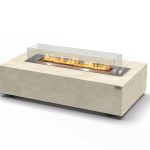
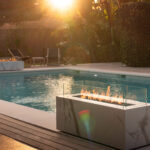
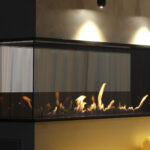
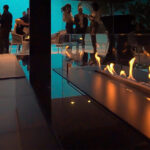
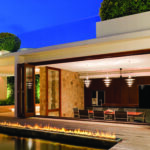
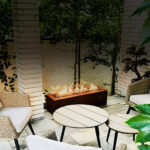
Fireplace partitions divide space without blocking light or sightlines. A bioethanol Fireplace screened with glass panels integrate easily into peninsula, island or tunnel configurations
- Require no chimney
- Do not need fixed utility connections
- Can be installed freely, even in the centre of a room
They support smaller seating areas, improved acoustics, and a stronger sense of intimacy—while preserving openness.
Looking Ahead: Fire as Architecture
Fireplace design in 2026 is not about making a statement.
It is about making a space feel complete.
Through expressive framing, advanced materials, curved geometry, and intelligent engineering, fire is once again treated as an architectural centrepiece. It responds to a fundamental, almost primordial need—often forgotten, yet essential.
Planika continues to refine burner technologies that remove traditional limitations, enabling fireplaces in high-rise apartments, urban homes, and spaces without chimneys.
Fire is shaping architecture again—not merely decorating it.
Need technical support for your project?
If you already have a concept and want to select a firebox that fits your design and regulatory requirements, contact Planika’s Projects Department:
📩 [email protected]